
Mercantile Motor / Transport insurance
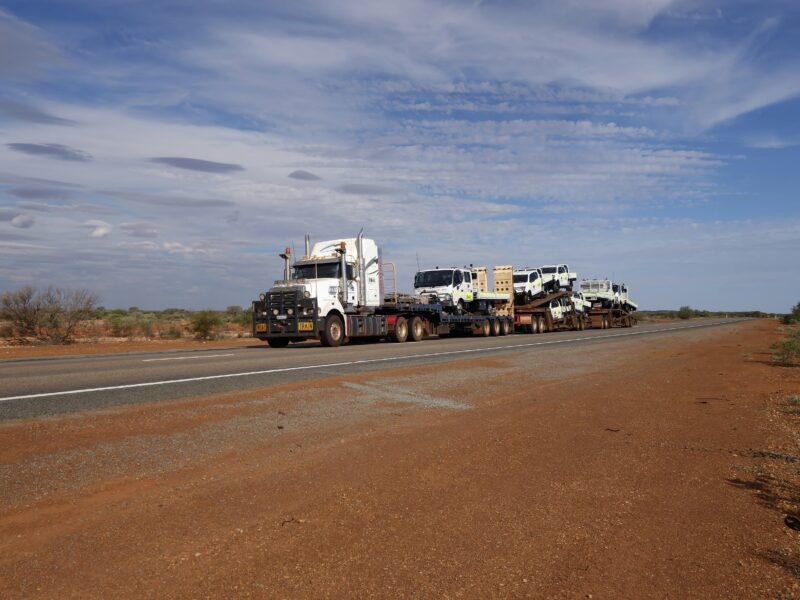
Road freight and trucking insurance
Motor insurance reviews for freight operators running trucks, prime movers, trailers and road transport fleets.

Road transport fleets have distinct motor exposures
Road freight operations can involve long-distance routes, multiple depots, different vehicle combinations, customer delivery points and subcontracted drivers. Those details can affect insurer appetite and the terms offered for commercial motor cover.
Cover may be considered for rigid trucks, prime movers, trailers, tippers, tankers and specialist bodies. Insurers will assess the declared operations, drivers, routes, vehicle values, modifications and claims history under their own underwriting criteria.
Build a clear vehicle submission
- List each truck, trailer and attachment with values and use
- Explain freight types, routes, overnight parking and subcontracting
- Describe driver selection, training and fleet safety controls
- Provide claims details and current policy terms
- Identify separate goods in transit or carrier liability policies
Review the broader transport program
Motor insurance does not necessarily cover customer goods or all liability connected with freight services. Goods in transit, marine cargo and logistics liability are separate policies. We can coordinate the review so the relevant policies and limits are considered together.
Also see heavy vehicle insurance and refrigerated transport insurance.
Road freight insurance questions
What insurance can a road freight operator consider?
A road freight business may need to review commercial motor insurance for its vehicles alongside separate covers relevant to the wider operation. Depending on the business, these can include goods in transit, marine cargo, carrier or logistics liability, public liability and property insurance. Each cover is subject to its own terms and exclusions.
What details can affect truck insurance terms?
Insurers commonly consider fleet size, vehicle types and values, operating radius, freight carried, driver arrangements, subcontracting, claims history and risk controls. A clear submission helps distinguish the particular road freight operation being insured.
Are prime movers and trailers insured the same way?
Prime movers, rigid trucks and trailers should be correctly identified on the vehicle schedule where required. Cover, values, excesses and conditions can differ by vehicle type and insurer.
For broader heavy vehicle information, see heavy vehicle and truck insurance.
Information to prepare for a trucking insurance review
For a more efficient market review, it can help to provide an up-to-date vehicle and trailer schedule, driver arrangements, operating radius, freight description, annual kilometres or usage information, claims history, current policy schedule and renewal date. Where cargo is also being reviewed, include typical and maximum load values and the types of goods carried.
Businesses operating multiple vehicles can also review motor fleet insurance, while freight exposures can be considered separately under marine transit and logistics insurance.
Next step
Review your motor insurance program
Tell us about your vehicles, drivers, operating areas and current insurance. We can help identify the information insurers need to consider terms for your business.
Discuss your fleet
Request an insurance quotation
Share a few details and a broker can follow up about the vehicles, operations and cover you want reviewed.
General insurance information only. Cover is subject to underwriting, policy terms, conditions, exclusions, limits and deductibles.